
The History of Diplomas: How the Past Shapes the Details We Recreate Today
Diplomas have been documenting academic achievement for well over a century, and the way they look has changed more than most people realize. Fonts, borders, seals, paper stock, even the way signatures are applied — all of it has shifted with printing technology, institutional trends, and the sheer scale of modern graduating classes. Studying those…
Diplomas have been documenting academic achievement for well over a century, and the way they look has changed more than most people realize. Fonts, borders, seals, paper stock, even the way signatures are applied — all of it has shifted with printing technology, institutional trends, and the sheer scale of modern graduating classes. Studying those changes closely is part of what it takes to reproduce a diploma accurately, so here’s a look at what that history actually shows.
Our design team works from a research archive built over 20+ years, drawing on photographs customers have shared of their own original diplomas, along with documents collected directly. That archive spans different decades, schools, and countries, and it’s what makes it possible to spot the details — a font, a seal style, a paper texture — that mark a diploma as belonging to a specific era or institution.
What is the oldest diploma in the archive?
The oldest diploma in the collection dates back to the early 1910s, found at an estate sale by one of our team members. The oldest document ever replicated for a customer, though, was from the early 1930s — a request to recreate a grandmother’s graduation certificate as a 90th-birthday gift, preserving a family keepsake that had started to show its age.
What stands out most about older diplomas?
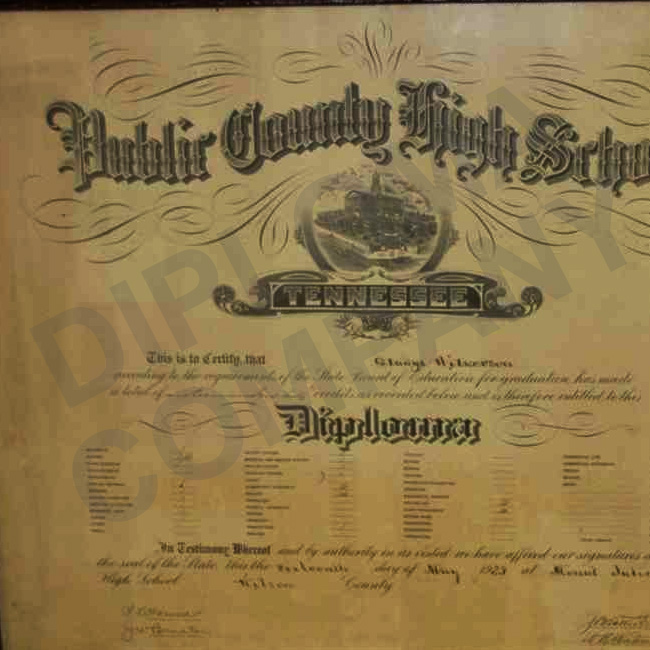
The level of detail. Early graduation certificates were closer to works of art than paperwork — hand-lettered calligraphy, ornate borders, intricate emblems. Over time, as production scaled up, designs simplified. Many schools today favor clean, streamlined layouts built for faster printing. The older designs still stand out for the craftsmanship that went into them.
Evolution of Diploma Design (1900s-1980s)
Modern Era Diploma Design (1980s-2000s)
Before digital printing took over, diplomas were closer to art than office paperwork. With far fewer graduates overall, schools could afford to produce a small number of carefully crafted documents rather than mass-producing thousands at once.
One of the clearest differences between diplomas from this era and those made today is the decorative border — some schools even worked their name directly into it. Rich black inks were common, since color printing wasn’t yet easy or affordable at scale.
Many older diplomas were also printed on sheepskin rather than the paper stock schools use now. Today’s designs of high school diplomas look quite different. Sheepskin ages differently than paper, which is why older diplomas often show wear, yellowing, or a distinct texture that’s hard to replicate without knowing what to look for.
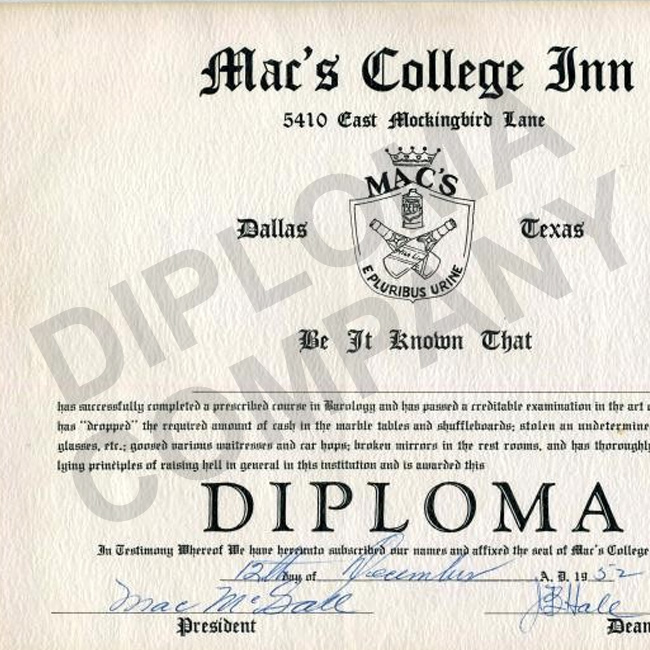
Signatures are perhaps the most noticeable shift. The examples above are hand-signed — standard practice when class sizes were small enough for officials to sign each diploma individually. Today, with thousands of graduates per semester at many schools, signatures are typically applied with an auto-pen or printed digitally. Genuinely hand-signed diplomas are rare now, mostly limited to smaller private institutions.
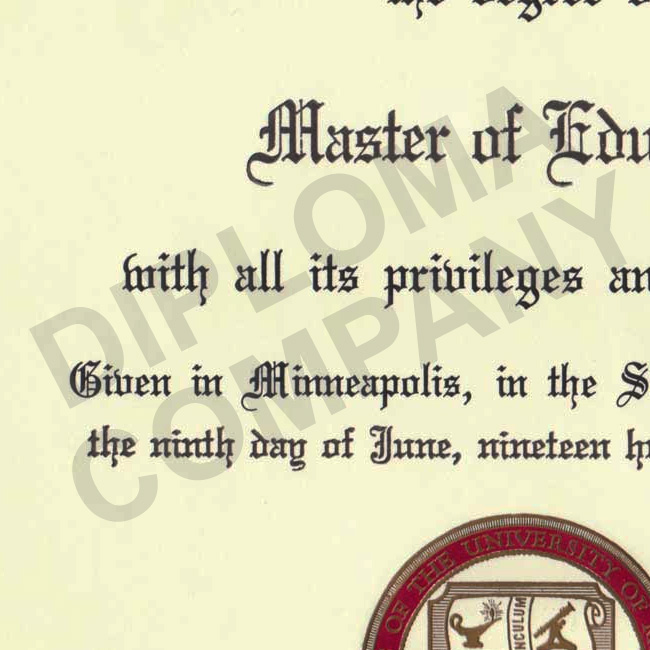
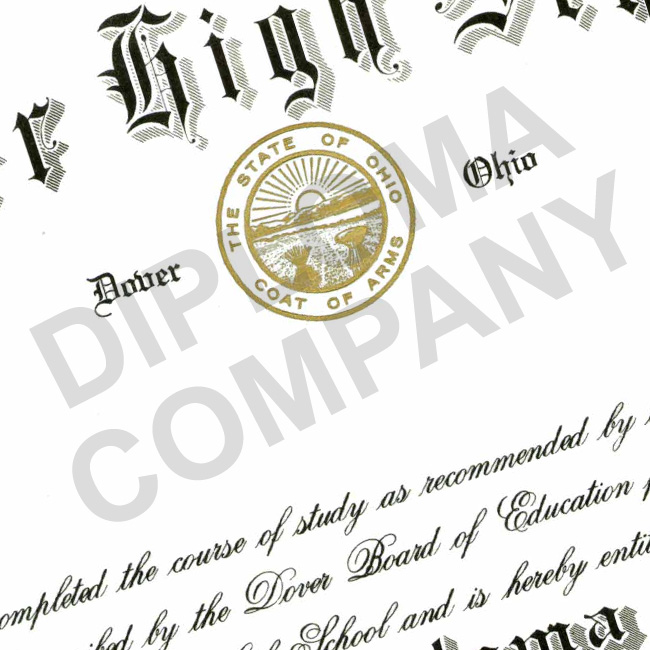
One thing stayed constant through these changes: paper quality. As sheepskin phased out, schools moved to thick, durable paper stock built to last. A brief experiment with glossy and plastic-like finishes in the 80s didn’t hold up well — those materials proved less durable and more prone to damage, and the trend faded quickly.
By the end of the 80s, computer technology and digital printing began reshaping diploma production. There was some early resistance over authenticity concerns, but efficiency and cost ultimately won out, pushing designs toward more uniform, standardized templates.
The throughline across this period is a trade-off between craftsmanship and scale. Earlier decades favored intricate, hand-finished designs; the shift toward mass graduation numbers pushed schools toward simpler layouts and faster production. Even so, the diploma held onto its core role as a symbol of achievement.
Diploma History — Present
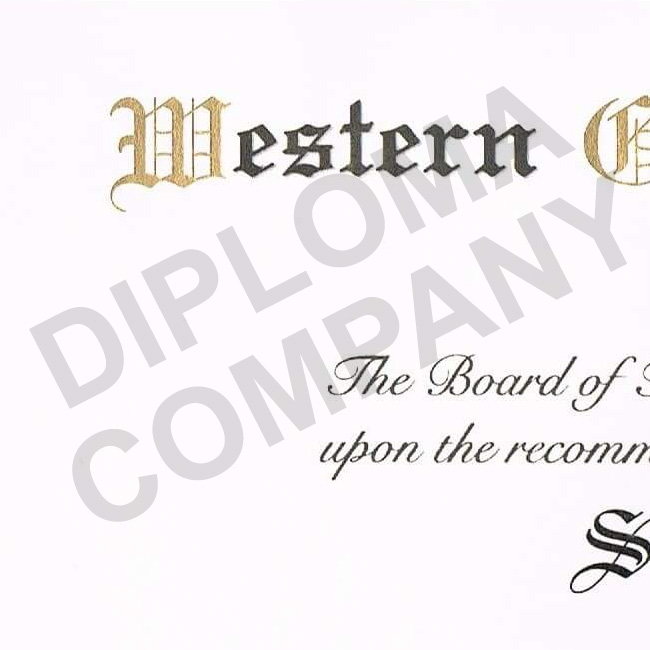
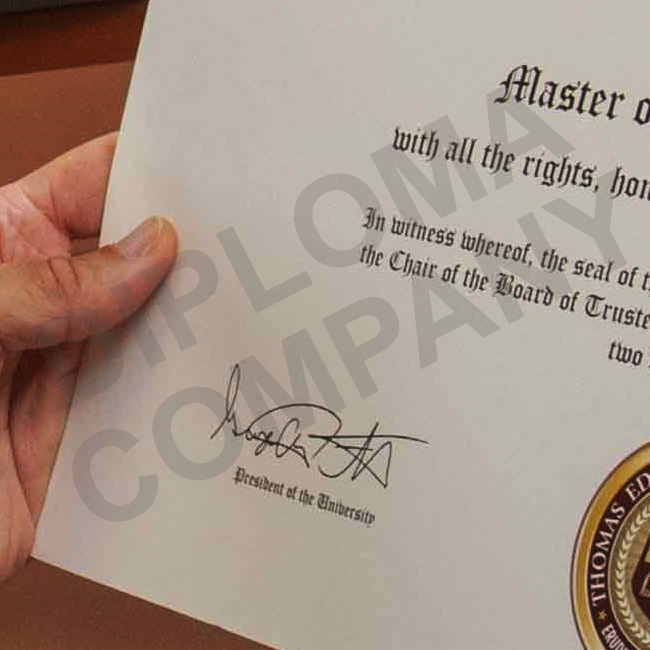
The rise of online colleges and private institutions has pushed graduate numbers even higher, and printing technology has kept pace — lower-cost color inks and embossing techniques that weren’t practical before now let schools apply detail that used to be reserved for smaller, more formal ceremonies. Today’s diplomas tend to have simpler borders than a century ago but more color and applied craft, like embossing.
That doesn’t mean every modern diploma is glossy and colorful. Plenty of high schools and colleges, especially smaller or publicly funded ones, still print in plain black and white to control costs. Many institutions also haven’t changed their layout in decades — for a lot of schools, the diploma design is as recognizable and fixed as their mascot or team colors, and there’s little incentive to change something that already works.
What’s changed most isn’t necessarily the designs themselves, but what’s possible to produce. Modern techniques mostly give schools an easier way to keep making the same classic diploma designs they’ve always been known for.
The overall lesson: no two diplomas are alike, and every era, region, and institution has its own conventions. Recognizing those conventions — the right seal style, the right paper weight, the right border for the right decade — is what separates an accurate replica from a generic template.
This research is the foundation of every document we recreate
The details in this history — the paper types, the signature conventions, the shift in border styles by decade — are the same details our team checks against when recreating a diploma or transcript. That level of familiarity with how designs have actually changed over time is what it takes to get a replica right, whether it’s replacing a lost or damaged original, filling in a family gap, or serving as a prop.
Resources
For other information, see our FAQ page. For more details about the history of diplomas, and helpful resources, check out the link below:
